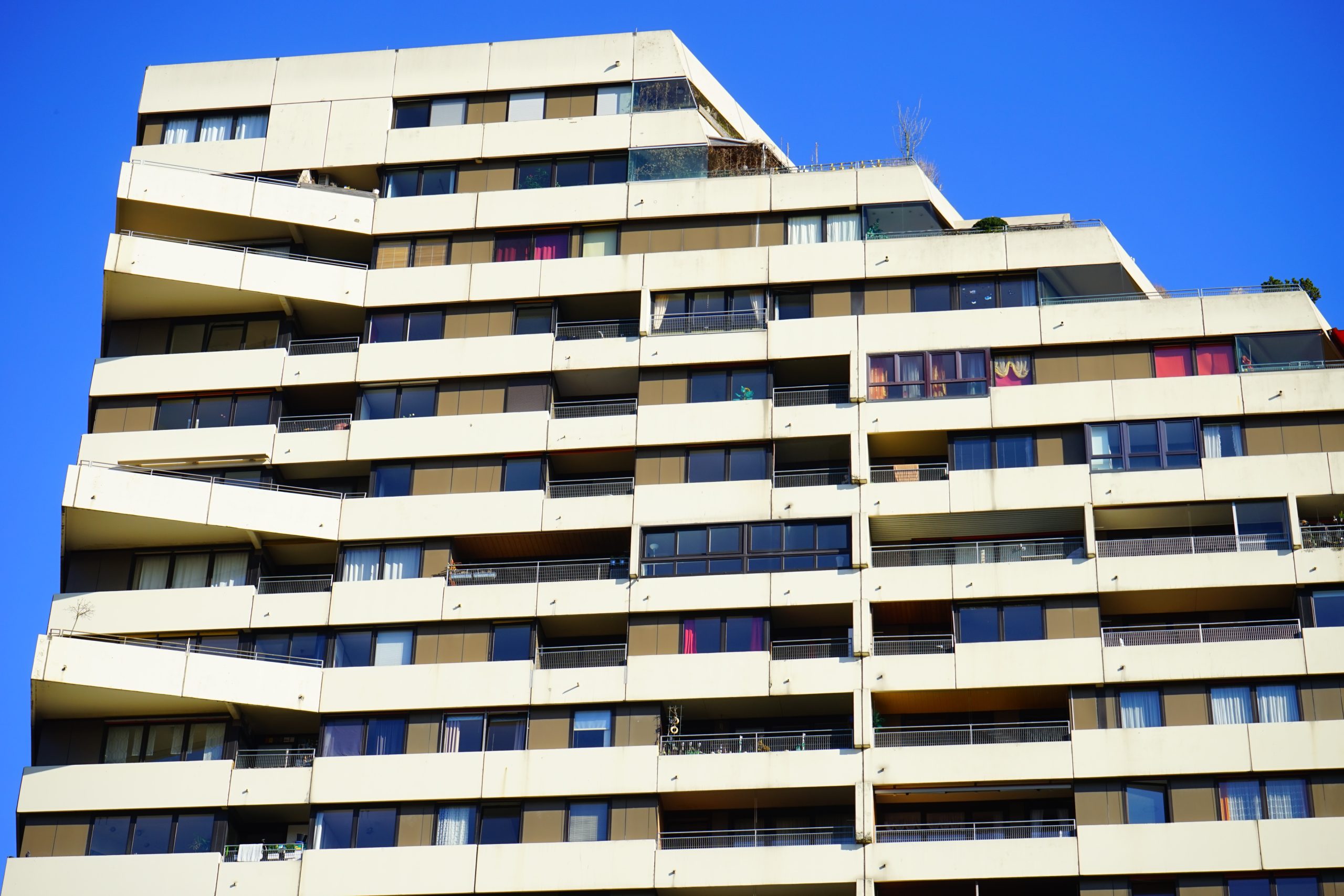

As complex buildings occupied by vulnerable people, hospitals present a number of significant fire risks. Whether wiring problems or the storage of hazardous materials, these risks threaten the safety of patients and staff alike and can bring a hospital to a standstill. In this post, therefore, we explore some of the fire hazards relevant to hospital buildings, and how to mitigate them through effective passive fireproofing methods.
[code_snippet id=49]
Potential fire hazards in hospitals
The following hazards should be checked during a regular risk assessment by the “responsible person”, as stipulated by the Regulatory Reform Order 2005.
Medical and surgical equipment
Although designed with fire safety in mind, many materials used in hospitals are combustible. Gas cylinders and oxygen canisters should be stored and handled correctly, and protocols on electrical loading should be followed for energy-intensive equipment.
Hospital kitchens
Kitchens have many fire hazards, from cooking with fats to open flames. It’s vital that pans, grills and other equipment are regularly cleaned, and kitchens are equipped with the appropriate fire safety equipment.
Overused sockets and cables
Faulty or overloaded electrics are one of the leading causes of fire in hospitals. Due to the large number of electric equipment needed in a hospital, there are various risks involved. Short-circuits, overloaded electricity points, and faulty or worn wirings all represent substantial fire risks.
Smoking
Despite the fact that more than two-thirds of NHS hospitals now have a complete ban on smoking, it still remains a significant fire risk. Unextinguished cigarette stubs can cause ashtray fires, which can quickly spread if not addressed quickly. Smoking areas should be located in a secure location away from a hospital’s main buildings.
Fire protection in hospitals
Whilst there are countless ways to mitigate fire hazards in hospitals, below are 3 common fireproofing techniques to ensure that fires are effectively controlled.
Hospital fire compartmentation
Fire compartmentation in a hospital is vital in order to prevent fire from spreading vertically and laterally into different rooms. Hospitals are divided into fire compartments, each of which acts as self-contained unit via fire-resistant walls and flooring.
In order to ensure the integrity of compartmentation, there can be no gaps between the doors, walls or ceilings in the hospital. It’s no good having a fire-resistant door if there are gaps between the door and its frame. Toxic fumes and smoke can easily pass through under ordinary doors, which is why regulations state that it’s necessary to seal them.
This process is called fire stopping, and requires the installation of suitably tested fire-resistant systems to the structure surrounding the door, or to the door itself, in order to delay the spread of fire and smoke from one area of the building to another.
Fire doors
Fire doors are not only strategically placed for evacuation, but they must be fire-resistant too. The minimum protection time for NHS fire doors is 30 minutes, though this may be longer in some areas where evacuation is estimated to be slower.
Regulations allow for fire doors to be made with a variety of materials (timber, aluminium, steel, gypsum), and even have windows, as long as they comply accurately with their respective time protection grade.
They should also be clearly labelled as fire doors for evacuation purposes and fitted with a self-closing mechanism in order to ensure the integrity of the building’s compartmentation. In addition, the area between the door and the frame must be sealed with cold smoke seals.
Sprinkler system
A high pressure sprinkler system can reduce the impact of a fire — and without requiring much water. In fact, they’re reported to reduce injuries by up to 80% and reduce property damage by up to 90%.
Assessing fire risk in hospitals
In order to fully comply with the latest fire safety regulations, hospitals need to conduct regular fire risk assessments (FRAs) through an independent partner. During an FRA, a qualified assessor will review current fireproofing measures and identify all potential fire risks to the buildings. Their final assessment will provide a comprehensive overview of the current state of fire safety in the building, and what needs to be done to improve and bring it in line with regulation.
(Disclaimer: This article is intended for educational purposes only, and does not constitute official fire safety recommendations. We always advise enlisting a qualified fire safety professional in order to get accurate recommendations).
CLM Fireproofing are the UK’s leading experts in passive fire protection. Our operatives are fully compliant with the latest industry regulations, so our clients can feel confident that their building is protected from fire. To speak to one of our passive fire protection specialists, contact CLM Fireproofing today