Contact Us


CLM provides a complete package of tested and fully-accredited fire protection systems, including intumescent paint, cementitious systems and fire board assemblies, extending the fire resistance of steel columns and beams to fulfil project-specific requirements (30, 60, 90 or 120 minutes).
Our specialists combine advanced application methods with specialist technical knowledge, tailoring steel fireproofing solutions based on a building’s fire strategy and regulatory obligations, environmental conditions, aesthetic expectations, programme pressures and performance needs.
Ultimately, engaging with CLM gives clients confidence that steel elements will perform under extreme conditions, thereby ensuring building safety, regulatory compliance and a robust fire safety strategy.
Intumescent coatings are ideal for those seeking to combine aesthetics with high-performance steel fire protection. Once applied, they expand into a robust insulating layer when exposed to heat, protecting steel elements for up to 120 minutes. Practically speaking, there are various benefits to using intumescent paint. It is suitable for exposed steelwork in public-facing areas due to the capacity for clean, architectural-grade finishes, and can be applied effectively to beams, columns, hollow sections and complex shapes both onsite and offsite to support programme demands.
Cementitious fire protection involves applying non-reactive coatings that minimise heat transfer across a wide range of structural elements. Ideal for concealed areas and heavy-duty environments, cementitious systems can be installed via either a robust multi-layer spray or a trowel-applied system to provide durable, high-resistance fire protection. These application methods make cementitious fireproofing a sought-after option for large-scale and fast-paced projects, particularly when the steel frame may also form part of the compartmentation.
Fire board assemblies encase steelwork in rigid or semi-rigid materials to ensure predictable and certified fire resistance. Fire boarding is particularly suitable for walls, soffits, frameworks, compartmentation clashes and complex steel assemblies. This is because it offers enhanced thermal insulation and acoustic performance, not to mention a clean surface finish (with decorative options if required), with lightweight boarding options available for simple handling and installation.
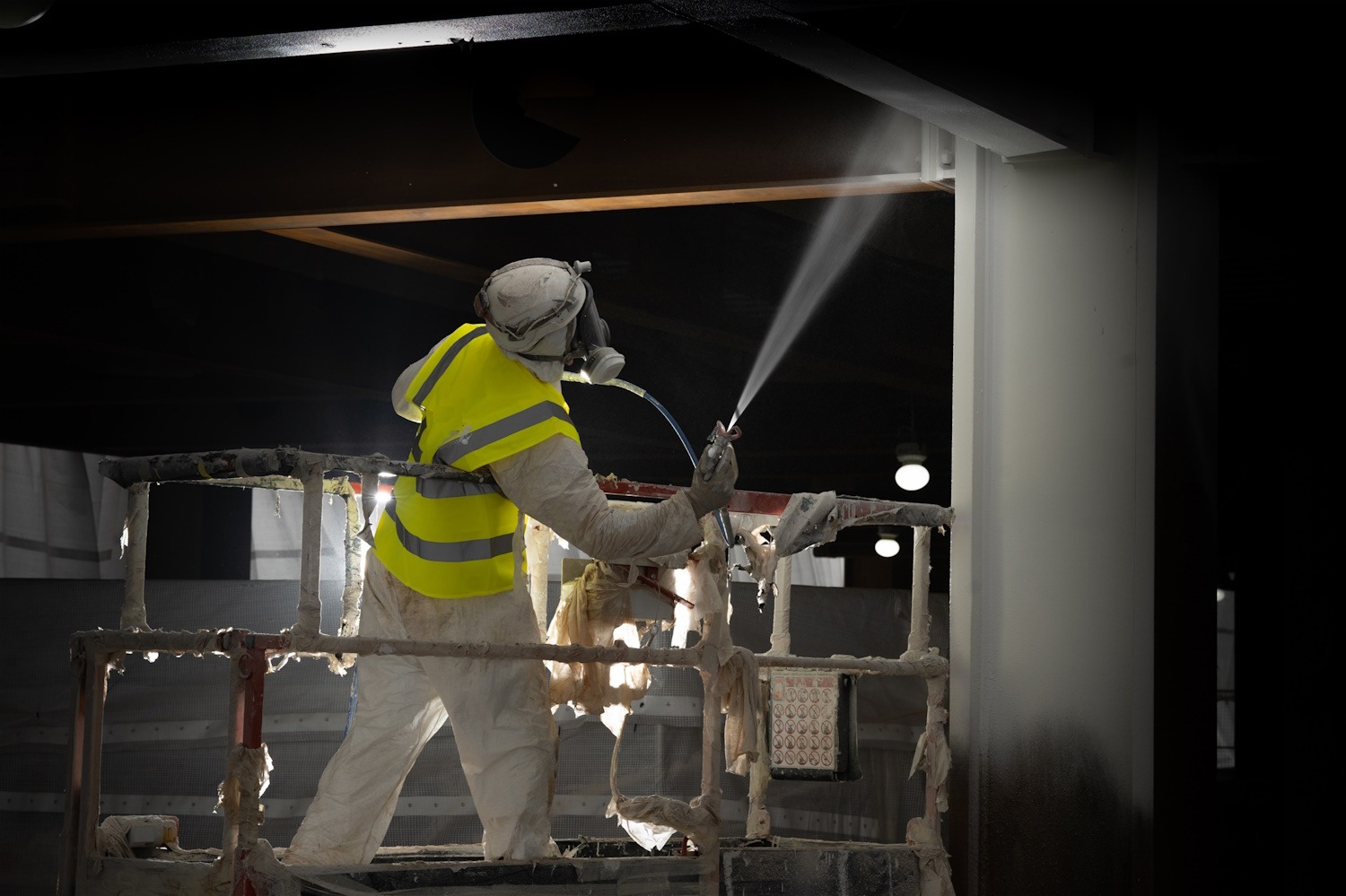
CLM can be trusted to recommend the most appropriate fire protection system for steel beams, columns, trusses and complex steel geometries. By evaluating structural design, environmental conditions, access limitations and architectural requirements, we can offer solutions for exposed, concealed and high-traffic environments, as well as options for aesthetic finishes where steel remains visible.
All works are carried out by trained and accredited installers using manufacturer-approved techniques, in full compliance with BS, EN and associated fire standards. Our specialists are adept at quality-assured installation both on-site and off-site, utilising advanced application methods that guarantee consistency and performance.
By coordinating with contractors, consultants and manufacturers, we can manage the entire process from design coordination to installation and inspection. Our steel fire protection solutions can be seamlessly integrated with wider passive fire protection, drylining and firestopping activities, with detailed reporting and QA documentation provided throughout.
 Commercial Construction
Intumescent coatings, firestopping and BIM consultancy for a 447,000 sq ft Grade A redevelopment at Broadgate. CLM delivered surface preparation, priming, intumescent protection and topcoating across steelwork, supported by digital clash detection and compliant detail selection. Targeting BREEAM Outstanding and NABERS 5*.
 Commercial Construction
Cementitious coatings, cavity barriers and firestopping for a 292,000 sq ft Grade A redevelopment at 133 Fleet Street. CLM delivered Monokote MK6-HY application, PROMAT repairs and compartmentation works with integrated pre-construction and product selection support.
 Healthcare
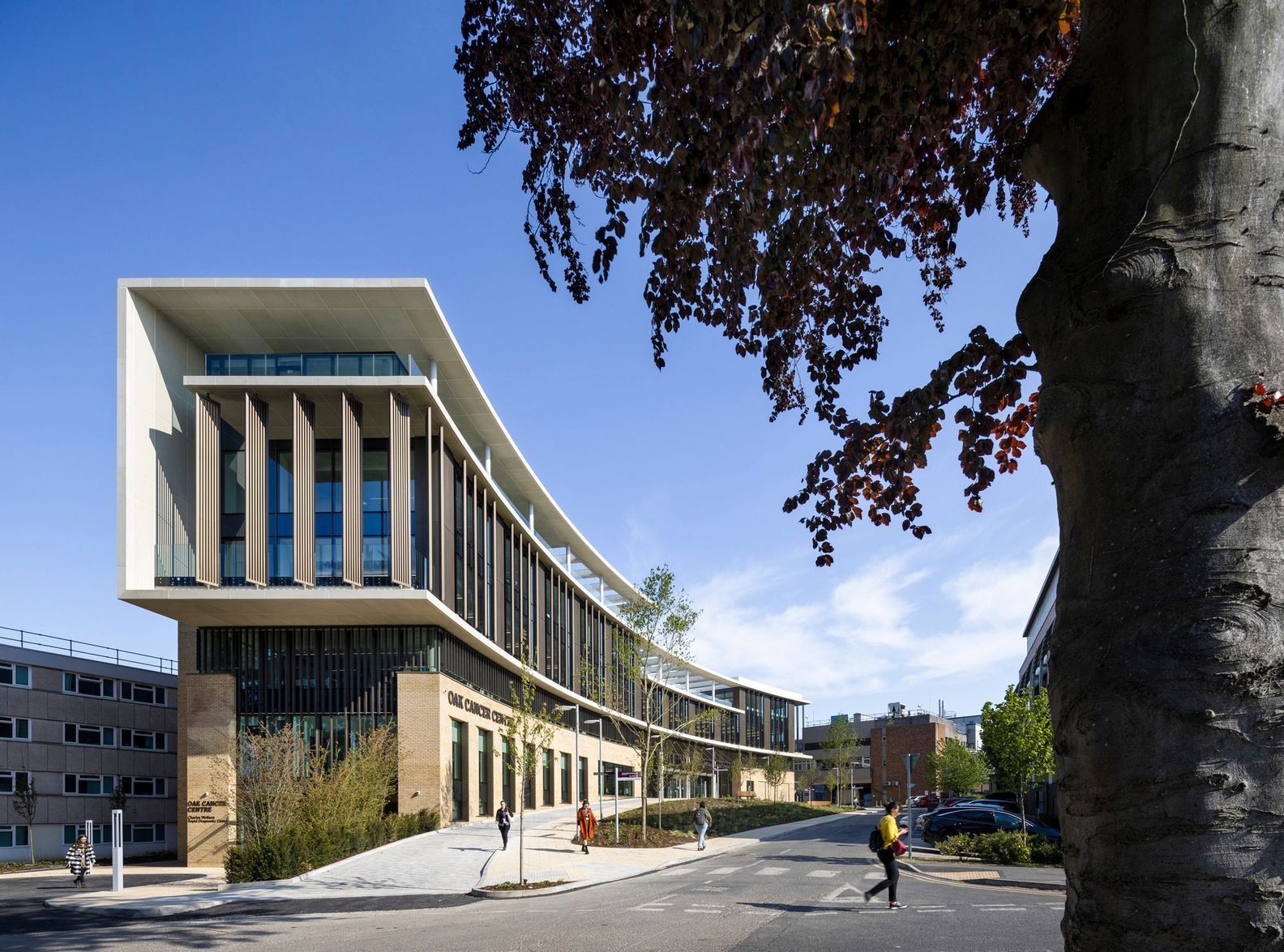
Firestopping, cavity barriers and Promat structural protection for a new healthcare and research facility in Sutton. CLM installed certified systems from FSi, Protecta, Firefly and Promat to deliver full passive fire protection across clinical, research and outpatient areas.
Fire resistance is calculated using three main criteria, all of which are integral to limiting the risk of fire damage to a building. A structural element or product’s ‘fire resistance period’ is dependent on the time (measured in minutes) it takes for any of the below criteria to be compromised.
Standards for the fire resistance of steel are set by two main pieces of legislation: Fire safety: Approved Document B, which is generally accepted as the main set of regulations for passive fire protection, and BS 9999 set by the British Standards Institution for fire safety in the design, management and use of buildings.
Approved Document B provides a range of guidelines on minimum periods of structural fire resistance, primarily for multi-storey non-residential buildings:
– An office building that is up to 30m in height (and does not have a sprinkler system) has a minimum fire resistance period of 90 minutes
– A commercial building (such as a shop) that is up to 19m in above-ground height has a minimum fire resistance period of 60 minutes
BS 9999 was published in 2008 and offers a more flexible and holistic approach to codes of practice in comparison to Approved Document B. This approach aims to accommodate as many factors as possible, no matter how small, such as the size of fire doors or new fire protection technologies like mist suppression systems. While BS 9999 is not meant to act as an oppositional approach to Approved Document B, it acknowledges that each building has a unique ‘risk profile’ based on occupancy, ventilation and an array of other circumstances.
While the above regulations do not mention steel directly in their specifications for fire resistance, they provide ample context for contractors, managers and site teams to decide on the most effective solution for structural steel fire protection.